Research

One of our goals at the AE Alliance is to distribute high-quality educational information for all who are touched by the illness. We have compiled a list of about a dozen articles that may be of interest. This is not an exhaustive list; it is merely a sampling of the main articles published on AE. […]

We would like to invite all AE patients and their caregivers to make a difference in research on the disease. Please click on the correct link below and join us in moving the research forward. The AE Alliance is honored to be participating in a study authored by Dr. Anusha Yekoshumar at The Icahn School […]

The New England Journal of Medicine published an article by Josep Dalmau and Francesc Graus last month. This comprehensive article covered many aspects of the disease, including ideas about how the antibodies might cause dysfunction in the brain. Practical points of interest to lay persons included the following: AE includes a group of diseases in […]

The importance of awareness of AE among child psychiatrists has been emphasized in a recent publication by Mooneyham, Gallentine and VanMater of the Duke University Children’s Hospital Autoimmune Brain Disease Program. They note that the nature of early symptoms may lead children to be evaluated first by a psychiatrist. These may include the acute or […]

Autoimmune encephalitis experts at the Mayo Clinic published the first population-based study of AE in an effort to determine the incidence of the disease. The researchers found that in the last decade approximately 1 in every 100,000 people develop AE each year. This translates into approximately 4,000 new AE cases in the US annually and […]

Experts in the field of AE came together in 2016 to establish a set of clinical diagnostic criteria to be used early in the course of disease (Graus et al). This was developed so that patients might be diagnosed with suspected AE and treated promptly, while still awaiting test results or in areas where antibody […]
One of the first studies on long-term neurobehavioral outcomes in patients affected by AE will be presented by Anusha Yeshokumar, MD, during the upcoming Encephalitis Society meeting in London. This may be difficult news for some AE patients, however at times it is comforting to know that what one suffers is not unusual. The study found that […]

We are encouraged that researchers at Columbia University Medical Center in NY, NY recently published a review article, bringing together many facets of research on how antibodies and other types of immune cells are able to cross the blood-brain barrier and gain access to the brain, causing autoimmune encephalitis. They stated that these routes of […]
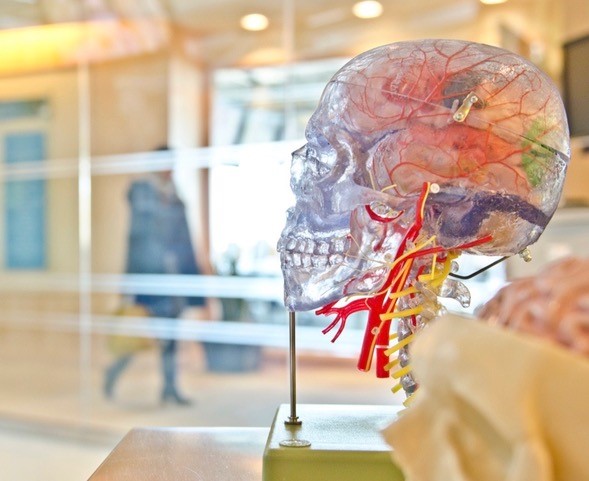
One of the major difficulties that many patients with AE face is that when the brain is affected, various symptoms present in different facets of human experience. These may include a person’s thoughts and behavior, emotions, speech, physical movements, memory, sleep habits, sensory experience, personality, etc. And these may even change from day to day as […]

As difficult as diagnosis and treatment are for autoimmune encephalitis, fortunately for the community of patients, families, and caregivers, rapid progress has been made within only a decade. A group of physicians in Oxford, England has published a review for the journal Neuropharmacology that summarizes the various types of AE, including a classification of syndromes, […]