Meet Dr. Mengzhi Jin
June 17, 2026
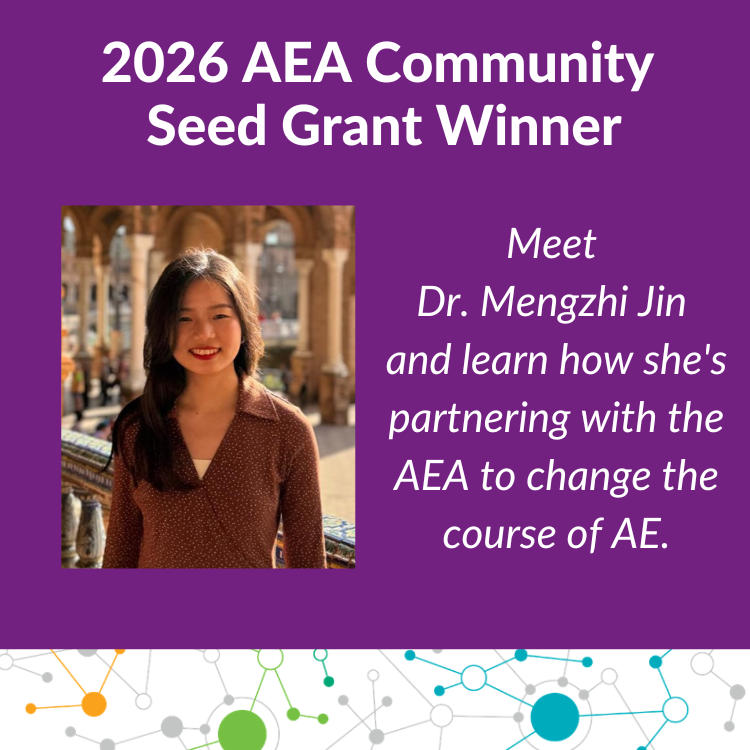
Dr. Mengzhi Jin (Erasmus University Medical Center, Rotterdam, Netherlands) was awarded a 2026 AEA Edward Arditte Community Seed Grant for the investigation of Antibody discovery in currently ‘seronegative’ autoimmune brainstem encephalitis. Learn more about her research and how it will impact those affected with autoimmune encephalitis. The start date for the award is September 21, 2026.
You have been awarded an AEA Community Seed Grant, can you tell us more about the study you plan to do?
First of all, I would like to thank the AEA Community for this opportunity. I am honored to receive the AEA Community Seed Grant.
My research focuses on the discovery of novel autoantibodies in autoimmune brainstem encephalitis (ABE). The diagnosis of ABE remains particularly challenging because of its heterogeneous clinical presentation, the frequent absence of altered mental status, and often non-specific findings on routine diagnostic investigations. This highlights the critical role of antibody testing in identifying underlying immune-mediated disease. However, many patients with suspected ABE still remain seronegative despite compelling clinical evidence of autoimmunity. It is likely that a considerable proportion of these patients harbor unexplored pathogenic antibodies. Identifying these antibodies may reveal previously unrecognized but potentially treatable subtypes of ABE. Therefore, further characterization and investigation of currently ‘seronegative’ ABE patients is essential.
I have been optimizing the spinal cord and brainstem immunohistochemistry (IHC) assay, where distinct staining patterns could be a unique opportunity to define novel potentially treatable brainstem disease entities. In parallel, I have also been establishing a cohort of ABE patients. We aim to comprehensively characterize the clinical presentation, paraclinical findings, treatment responses and outcomes of ‘seronegative’ ABE. Patient samples from this cohort will be screened using the optimized IHC assays to select candidates for novel antibody identification. This project will be conducted at Erasmus MC University Medical Center under the supervision of Maarten Titulaer.
How will your study help patients and families affected by AE?
Many patients with ABE experience a long and uncertain diagnostic journey, involving various extensive investigations and multiple referrals. As a result, appropriate treatment may be delayed, increasing the risk of long-term neurological disability. By providing a comprehensive description of seronegative ABE, this study aims to increase the awareness and facilitate earlier recognition of the condition. Earlier diagnosis could initiate timely appropriate therapy, potentially improving prognosis and quality of life for patients. In addition, the development of the new diagnostic tools and identification of novel pathogenic autoantibodies in seronegative ABE may provide important insights into the underlying immune mechanisms of the disease. Ultimately, this could lead to greater diagnostic certainty, more targeted treatment options, and a better understanding of the disease for both patients and their families.
Tell us more about yourself and your affiliation?
I am Mengzhi Jin, a PhD candidate at the department of Neurology of the Erasmus University Medical Center Rotterdam. Our center serves as the national Academic Center of Expertise for autoimmune encephalitis (AE) and related disorders, and has been accredited a NFU and European Reference Network site (ERN-RITA). During my neurology residency training a few years ago, I developed a strong interest in AE. AE can present with a broad spectrum of neurological symptoms, making diagnosis challenging and often causing substantial neurological disability. However, many patients respond well to immunotherapy and can achieve significant recovery. The potential treatability motivated me to pursue further research in this field. I am currently focusing on ABE, with a particular interest in antibody discovery. My long-term goal is to bridge clinical neurology and translational immunology to improve the diagnosis, treatment, and outcomes of patients with seronegative ABE.
Thank you to the entire AE Alliance community for the commitment to changing the course of AE. Thank you to the researchers applying for the AEA Community Seed Grant program and to the AE Alliance community, friends and family members for donating to the AEA Research Network. It is your donations that allow us to fund research focused on improving the lives of people living with AE.
Together, we are changing the course of AE.
