Research

Dr. Ryan Kammeyer and Dr. Amanda Piquet (University of Colorado) discuss a patient with autoimmune encephalitis (AE) with multiple auto-antibodies and review the literature to look at how these multiple auto-antibodies might relate to an underlying malignancy, and how unique features of the auto-antibodies may blend together into a new presentation. AE can occur with […]
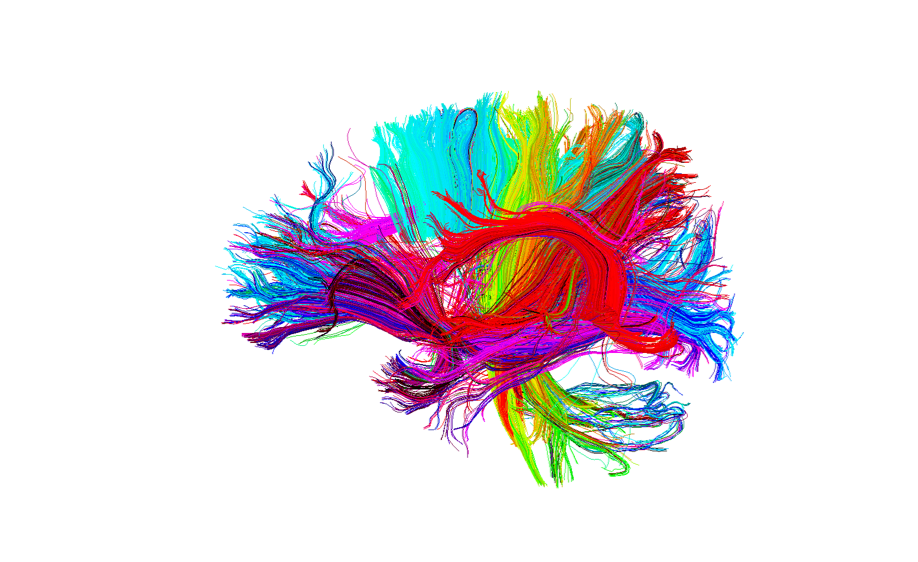
Antibodies against glutamic-acid-decarboxylase 65 (anti-GAD65) are associated with several neurologic syndromes, including stiff person syndrome and limbic encephalitis. However, their pathogenic role remains controversial. A group led by Dr. Maarten Titulaer (Erasmus University, the Netherlands) studied the clinical relevance of different anti-GAD65 concentrations in patients with neurological disorders and their response to treatment. The group […]

NMDAR encephalitis is the most common form of autoimmune encephalitis. It can affect people of all ages, though it is often seen in children and young adults, and it affects women more frequently than men. Treatment is classically described as first-line immunotherapy (corticosteroids, intravenous immunoglobulin, or plasma exchange) and second-line immunotherapy (cyclophosphamide and rituximab). However, […]
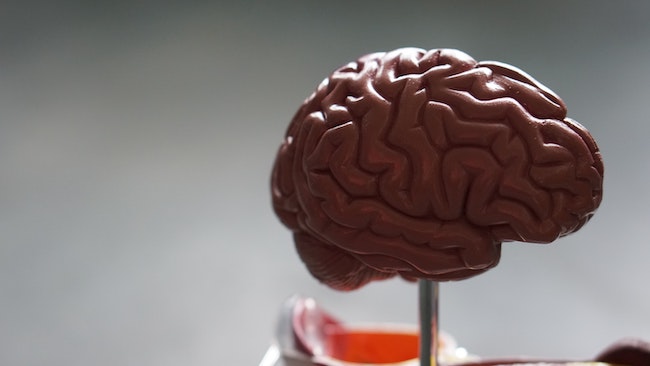
Since December 2019, almost 13.5 million cases and 581,103 deaths due to the coronavirus have been reported worldwide, according to the Johns Hopkins Coronavirus Resource Center. There are many papers published on COVID-19 and its consequences, and we, at AE Alliance, are especially interested in how the coronavirus affects the brain. We wanted to share […]
Autism, or autism spectrum disorder (ASD), refers to a broad range of conditions characterized by challenges with social skills, repetitive behaviors, speech, and nonverbal communication. There are many subtypes of autism, most influenced by a combination of genetic and environmental factors. The current prevalence of ASD is estimated to be 1.5% or higher in developed […]
Autoimmune psychosis: an international consensus on an approach to the diagnosis and management of psychosis of suspected autoimmune origin. A group of renowned international physicians, led by Dr. Tom Pollak and senior authors Prof. Souhel Najjar, Prof. Karl Bechter and Prof. Angela Vincent, worked together to create a consensus on diagnosis and treatment of autoimmune […]

The two main classes of the immune system are the innate immune system and the adaptive immune system. The main focus of an investigation into AE has been the role of the adaptive system, as exemplified by auto-antibody identification. A group in Australia led by Dr. Mastura Monif is investigating the function of the innate […]

A group of doctors led by Dr. Anusha Yeshokumar have assessed care transitions and caregiver burden among caregivers of individuals with anti-NMDA receptor encephalitis (anti-NMDARE). Surveying caregivers about their experience caring for those with anti-NMDARE and their perceptions of disease progression and recovery provides a unique opportunity to assess aspects of care for patients who […]

Dr. Sean Pittock and his group at Mayo Clinic Rochester recently completed a clinical trial that was co-sponsored by the AE Alliance. The study evaluated IVIG treatment in patients with autoimmune epilepsy who fail to benefit from standard epilepsy medications and/or for those where corticosteroids are not considered a treatment option. Last week, in a […]

#GivingTuesdayNow on May 5, 2020, is a global day of generosity and unity, a day to come together and give back in response to the unprecedented need caused by COVID-19. AE Alliance will participate in Giving Tuesday Now and launch the AEA Research Network with webinars by Dr. Sean Pittock (Mayo Clinic) and Dr. Stanley […]