GRANT
Educator - Research in Plain Language
A bit about me:
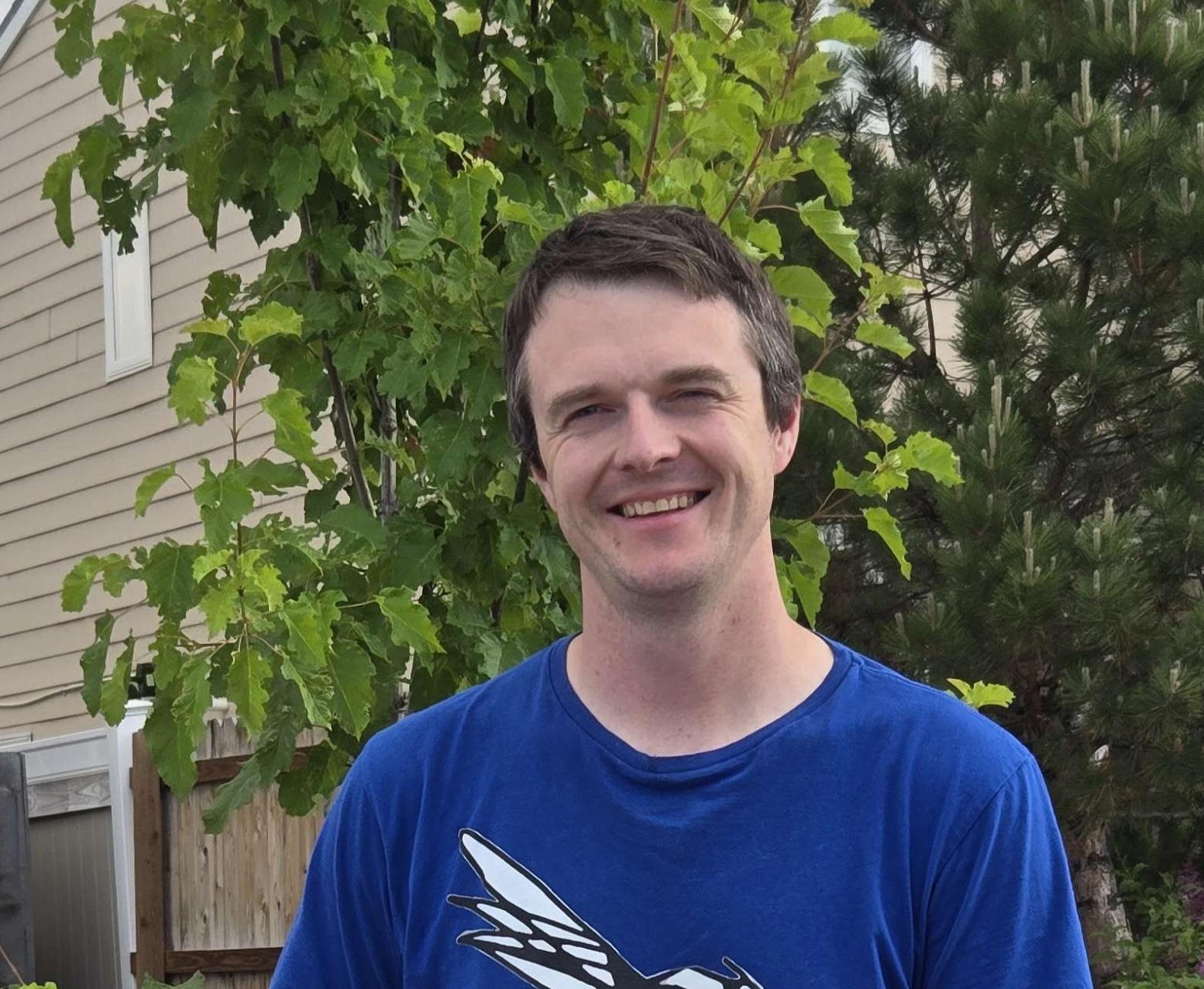
I wanted to work with the Autoimmune Encephalitis Alliance since I discovered it. While I was not healthy enough to do so when I started to attend support group meetings, I found great value in the organization. Now that my health has improved a bit, or rather, now that I am more than just hanging on for survival, it seems like now is a perfect time to give back to a group that I credit, in part, with that change in myself.
I fell ill in 2018 with a constellation of symptoms (seizures, chronic head pain, vertigo/dizziness, psychological symptoms, memory issues) and was diagnosed with seronegative autoimmune encephalitis (AE) in 2019: which just means that there are no commercially available antibodies (yet) that match what's in my body that can be used as a diagnostic tool. I have been on disability ever since, as I can neither work nor drive. Before I got sick, I was a government chemist and microbiologist, an elite athlete (fencing), and a coach (also fencing). Now, I am a stay-at-home dad, a community disability advocate (appointed by my city), a hobby game writer, and I still coach a bit. Life goes on. It's different. It's unexpected. But it's worth continuing. For all AE has taken from me, I truly believe it has helped shape me into the best version of myself. But it takes a lot of work, healing, and support.
My plans for how to serve the AEA:
As a former scientist, it is my goal to help create easily digestible summaries of AE research for people with AE. I know that I have suffered cognitive loss because of this illness and I know that is a common experience among other survivors, so I will do my best to tailor these the best of my ability. I plan to include these "research digests" in a newsletter that we will publish on the AEA website. I also hope to include other goings-on in our community in these newsletters as well!
I want to support our community with my advocacy, writing about disability, and continuing to contribute to our support groups. When I found the AEA, I was in a bad place with this disease. AEA support groups made me feel less alone. They gave me hope. I want to continue to share my experiences with this community in the hope that we never forget that while our lives changed in incredibly difficult ways, they are still worth living. I promise.